Big Ideas,
Real Impact.
Driven by curiosity and built on purpose, this is where bold thinking meets thoughtful execution. Let’s create something meaningful together.
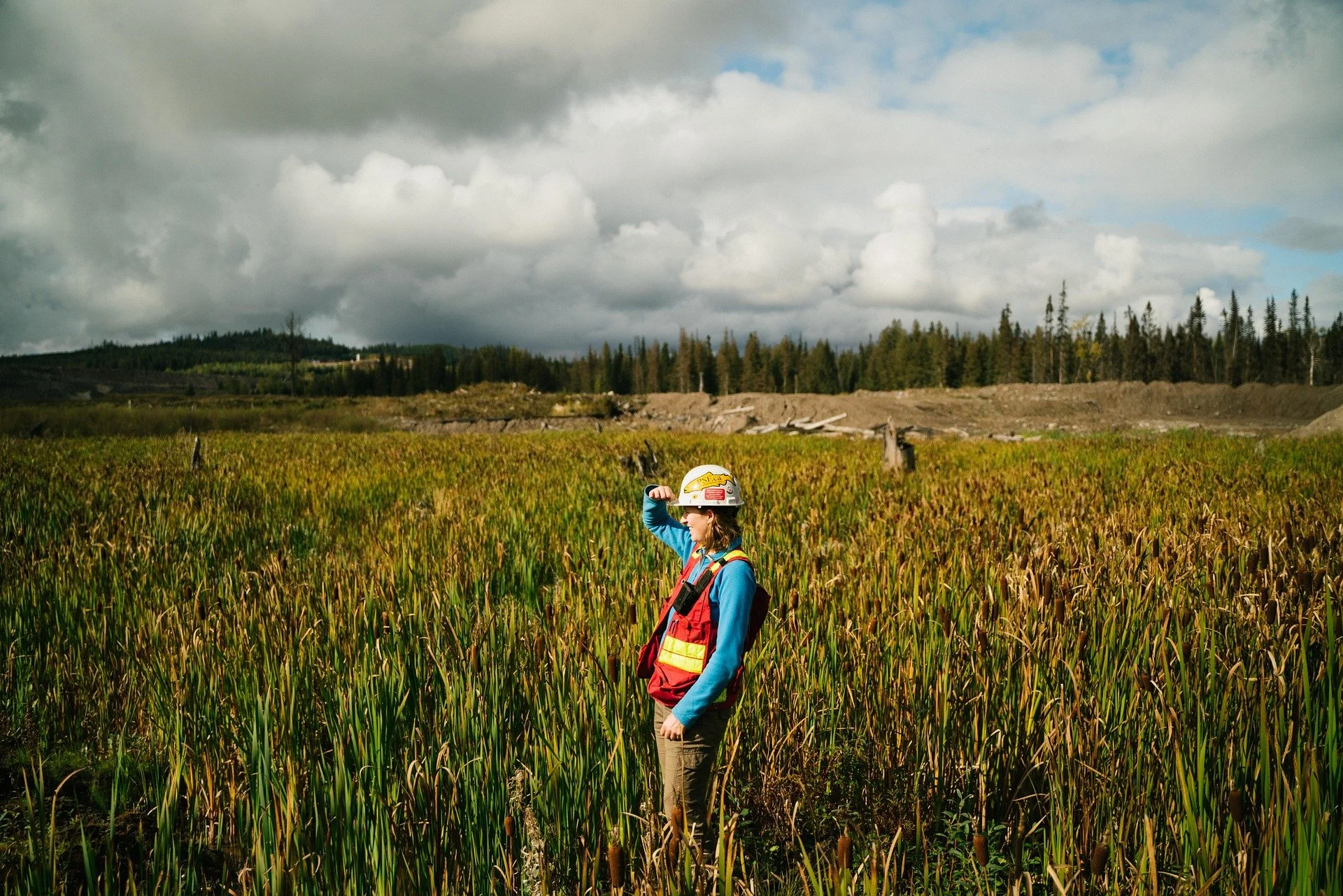
Integrating Habitat Restoration into Experiential Environmental Science Education
Explore my published research paper (July 2026) as part of the Environmental Science Masters program at Oregon State University.
The title of my research paper is:
Integrating Habitat Restoration into Experiential Environmental Science Education: A Case Study of Student Engagement, Systems Thinking, and Ecological Outcomes in a Rural Secondary School
READ THE ABSTRACT HERE!
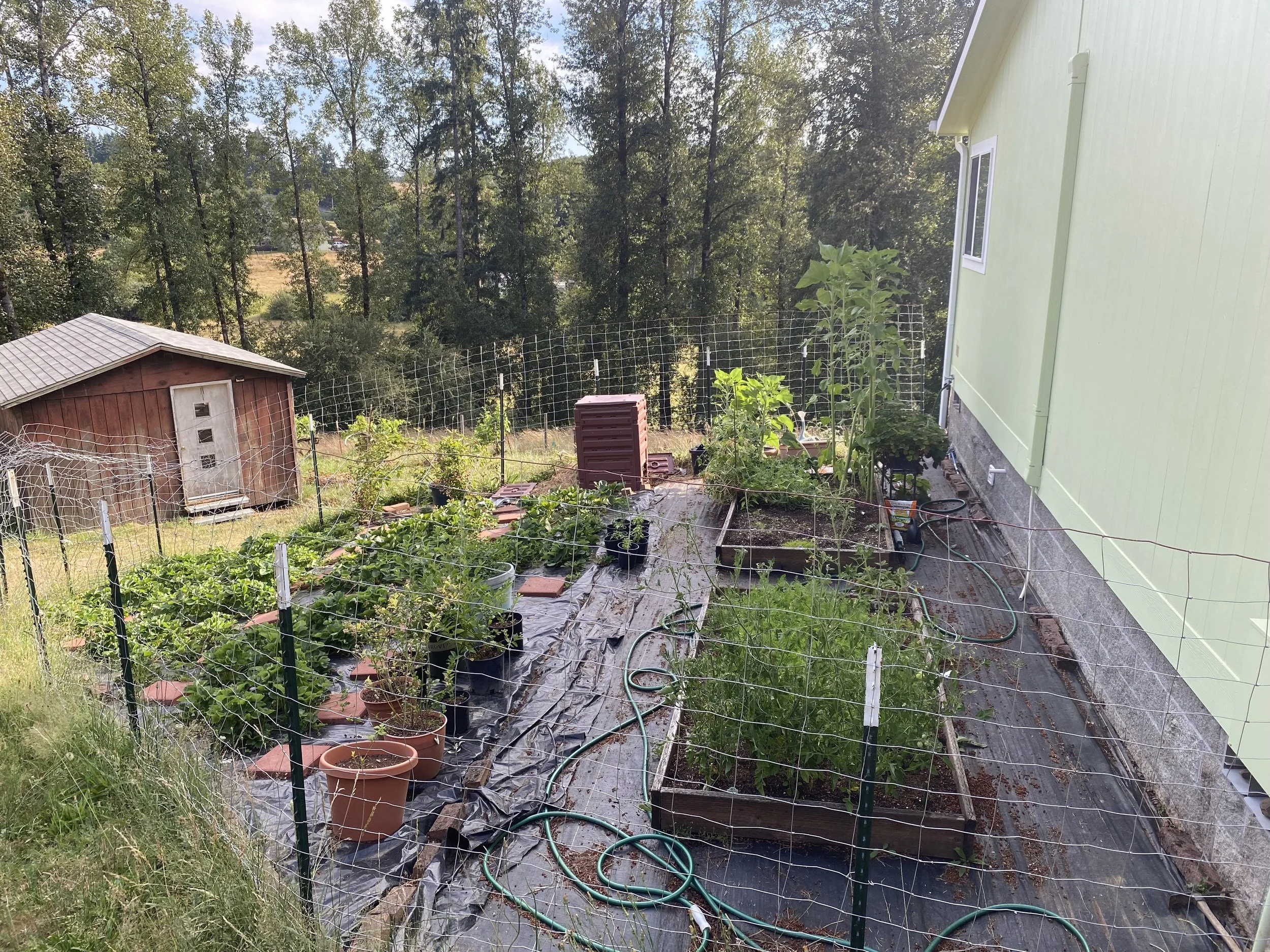
100 Strawberry plants, and I’m just getting started…
I planted 100 strawberry plants in my experiment with regenerative agriculture. Many hurdles. I have 7 different varieties of strawberries, including a NATIVE one, that I planted a few months ago. Also, Blueberries, watermelon, mammoth sunflowers, carrots, tomato, basil, thyme, rosemary, sage, pumpkin, beets, purple potatoes, blackberries, raspberries, jalapeños, snap peas, green beans, Yerba mate, currants, and much more!
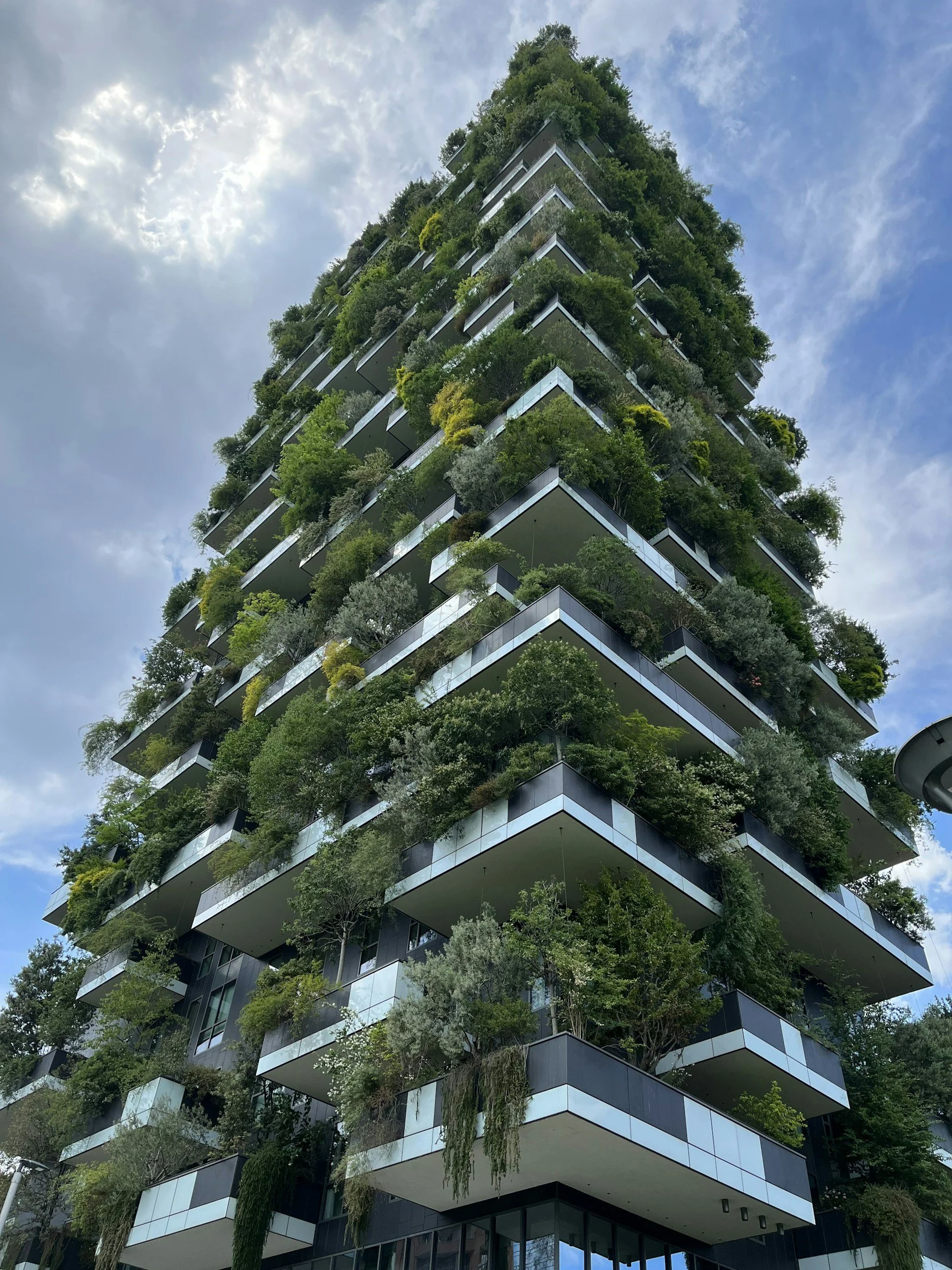
Urban Food Forests: How Restoration Ecology Can Transform Our Cities
Urban Food Forests: How Restoration Ecology Can Transform Our Cities. Rethinking What Urban Landscapes Can Be. Why Conventional Agriculture Isn't Enough. Cities Already Contain Untapped Ecological Potential. Restoration Ecology Meets Food Production. Beyond Food: Building Resilient Communities. Learning from Existing Success Stories. A Pacific Northwest Opportunity. Looking Forward…

Using Chemicals in Fish Tissue to Develop an Accurate Food Web
Tiny zooplankton play an outsized role in the health of the San Francisco Estuary, forming the critical link between microscopic algae and fish like the endangered Delta Smelt. My research used stable isotope analysis to investigate how zooplankton diets and trophic relationships have changed over time while evaluating whether decades-old preserved samples can provide reliable ecological data. By connecting historical records with modern observations, this work offers new insights into changing food webs and provides valuable tools for guiding habitat restoration and conservation in one of California's most important estuarine ecosystems.