

Natural Terraforming: Making Land Thrive Again
What Terraforming Today Is About
Natural terraforming is the practice of working with living systems — soil, water, plants, and wildlife — to regenerate degraded land and make it thriving and habitable again. Terraforming Today is a plain-language home for that practice: the core principles of regenerative land care, the methods that rebuild soil and water, and the long-term thinking that turns bare ground into resilient ecosystems. Whether you're a landowner, a grower, or simply curious, you'll find clear, grounded guidance you can actually use.

Modern Applications of Terraforming Principles
Healthy land is rebuilt by working with nature, not against it. These six principles reinforce one another — together they turn bare or degraded ground into living, resilient landscape.

Restoration of Deserts and arid Zones
Introducing drought-tolerant species and improving water retention.

Pollution Remediation
Through engineered ecosystems that break down contaminants and rebuild soil health.
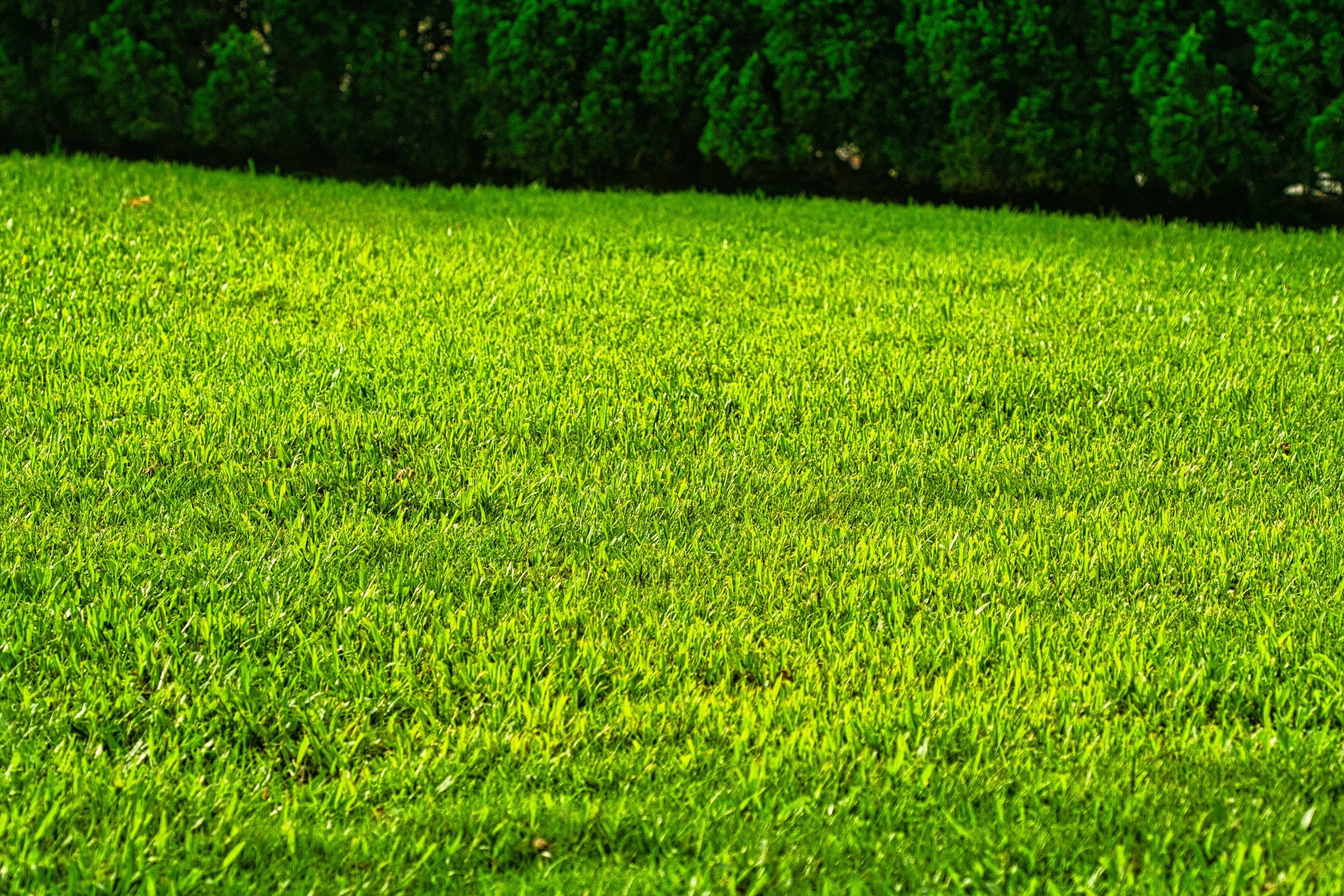
Carbon Sequestration
Via large-scale afforestation, wetland restoration, and soil carbon enhancement, which can mimic the atmospheric and ecological changes envisioned in planetary terraforming. Why are we still growing lawns?
Core Principles of Natural Terraforming
Healthy land is rebuilt by working with nature, not against it. These six principles reinforce one another — together they turn bare or degraded ground into living, resilient landscape.
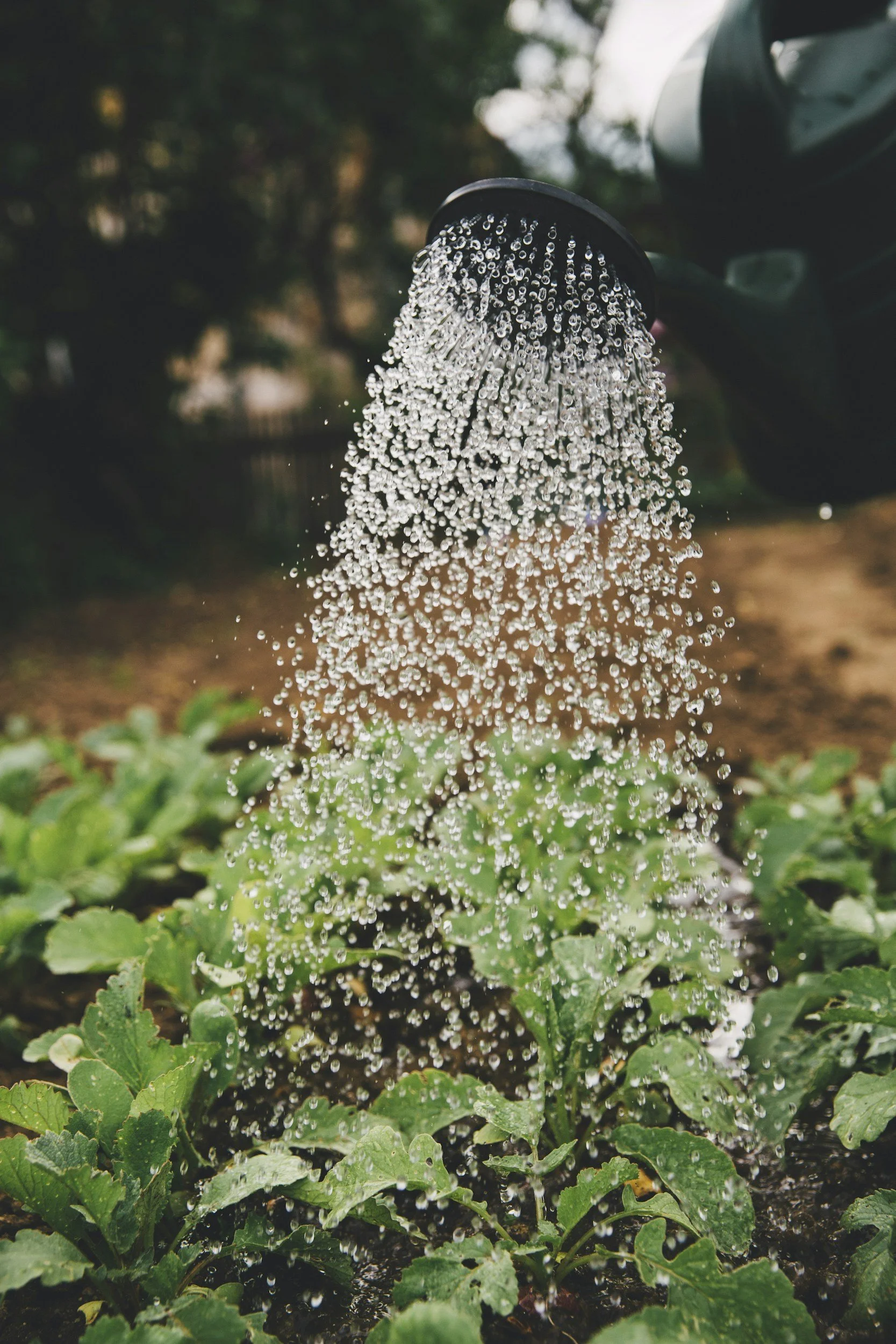
Water Management
Water is usually the first priority in regenerating land. The goal is simple: keep rain on the land longer so it soaks in instead of running off. Methods include building swales (shallow ditches dug on contour), creating ponds and wetlands, restoring streams and floodplains, and slowing runoff across the whole landscape.
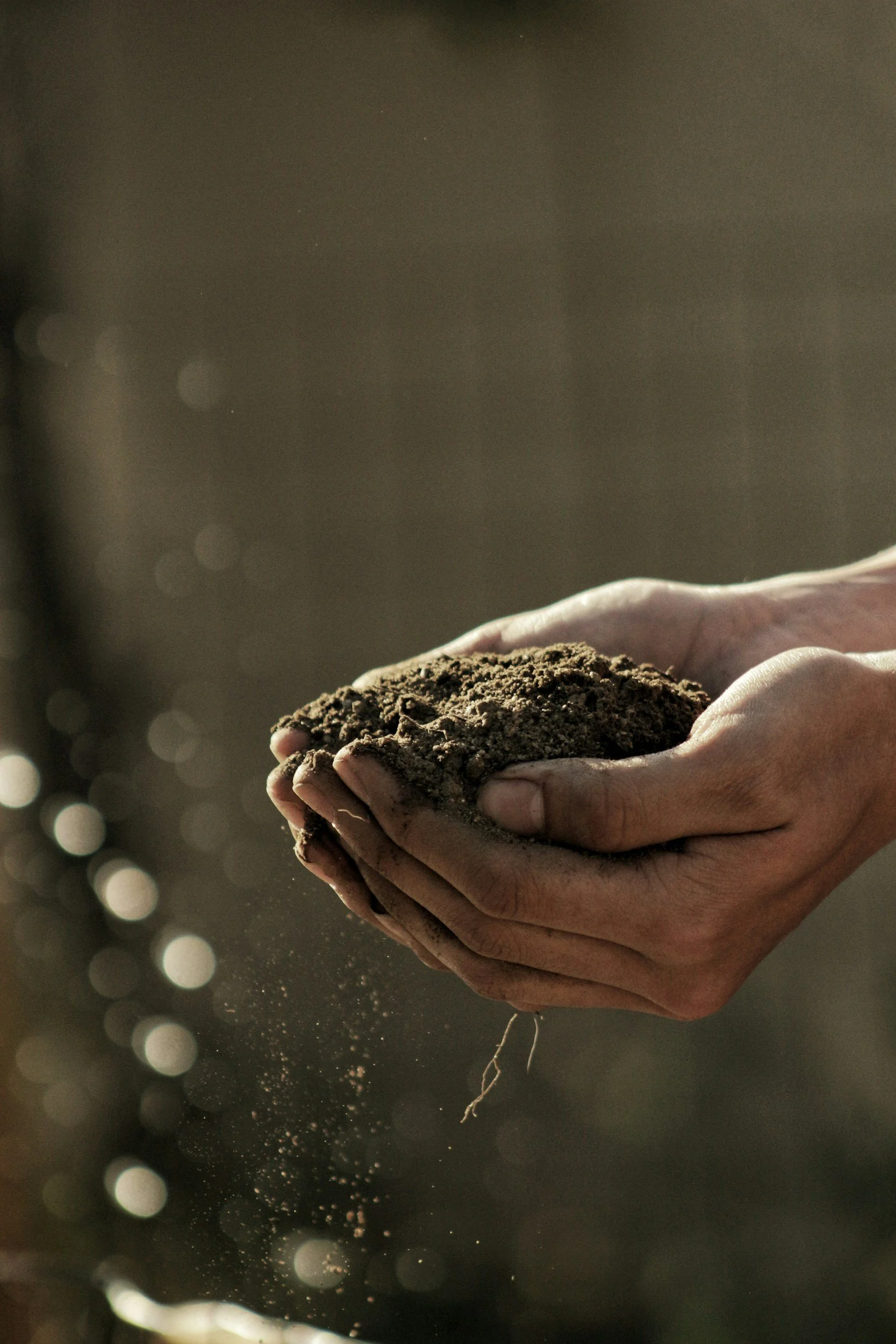
Soil Building
Living soil is the foundation of everything else — it feeds plants, microbes, insects, and animals. Methods: adding compost and organic matter, planting cover crops, mulching, minimizing tilling, and encouraging earthworms and soil microorganisms. Goal: increase fertility, water retention, and carbon storage.

Establishing Pioneer Species
Nature recovers degraded ground by starting with tough, hardy plants that tolerate poor conditions — native grasses, nitrogen-fixing plants, and drought-tolerant shrubs. Goal: stabilize the landscape and prepare the conditions for more diverse species to follow.
Increasing Biodiversity

Resilient ecosystems contain many species, each performing a different function. Methods: planting native trees, shrubs, and grasses, creating wildlife habitat, restoring pollinator populations, and connecting fragmented habitats. Goal: build resilience against drought, disease, and climate extremes.
Succession Management
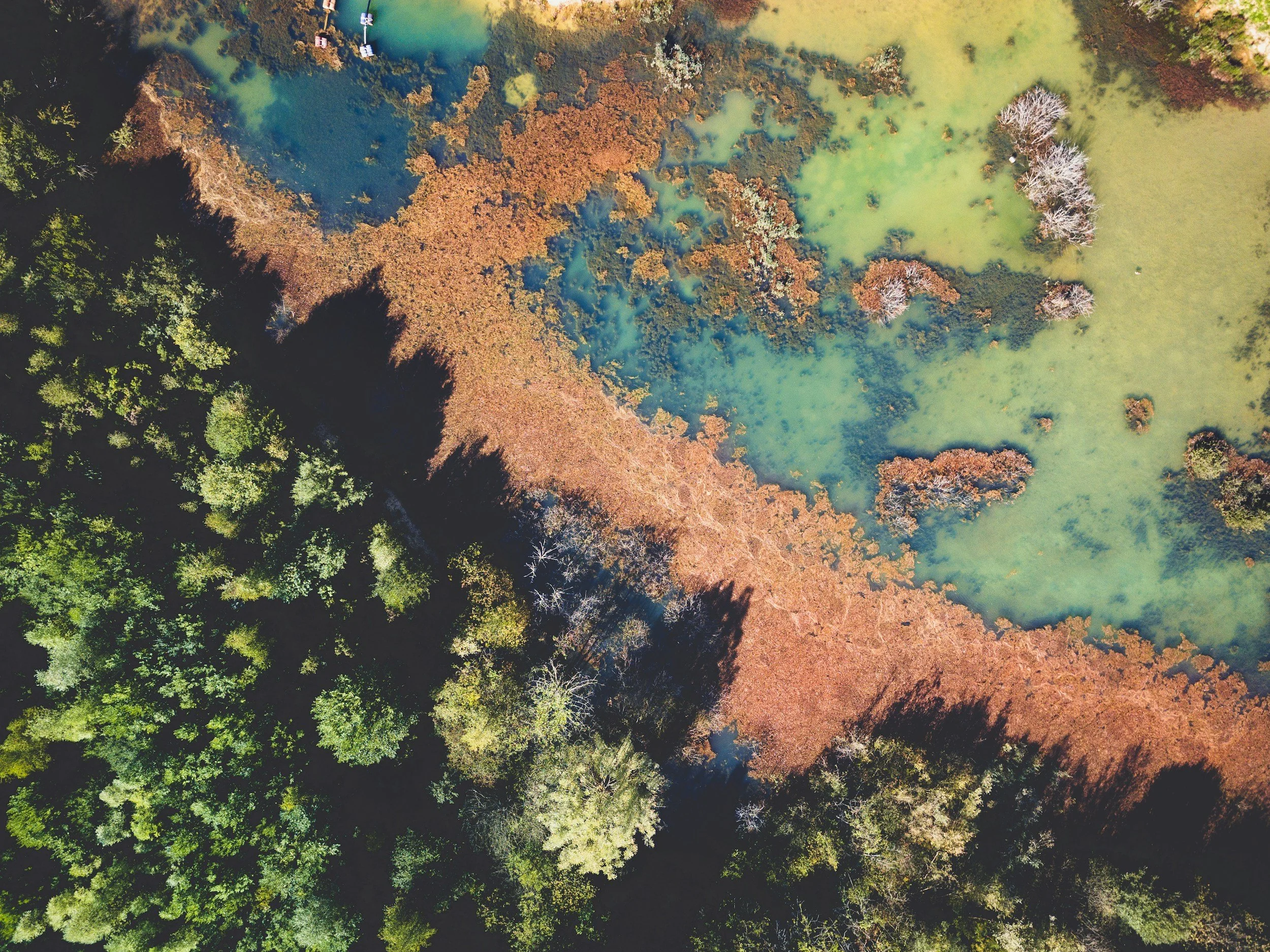
Natural ecosystems evolve in stages: bare ground, then grasses and weeds, then shrubs, then young forest, and finally a mature ecosystem. Natural terraforming works with this progression rather than fighting it, guiding the land gently from one stage to the next.
Carbon Sequestration

As the land heals, plants pull carbon from the atmosphere and store it in soil and biomass. Methods: reforestation, agroforestry, regenerative grazing, and wetland restoration. Goal: improve soil health while drawing down atmospheric carbon.
Natural Terraforming, Ecosystems, or Land Restoration, Four Ground/Soil Types
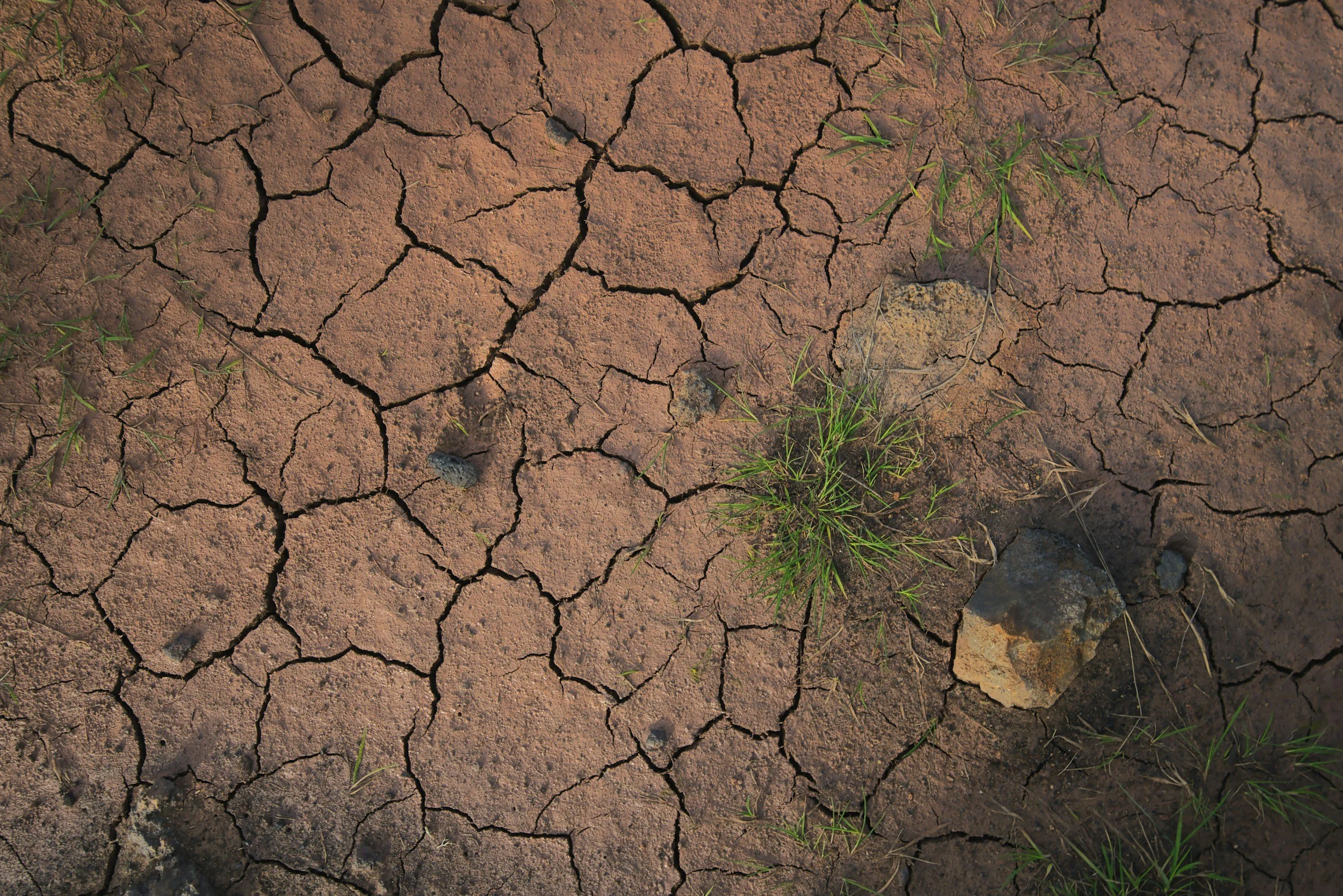
Dry/Arid Soil
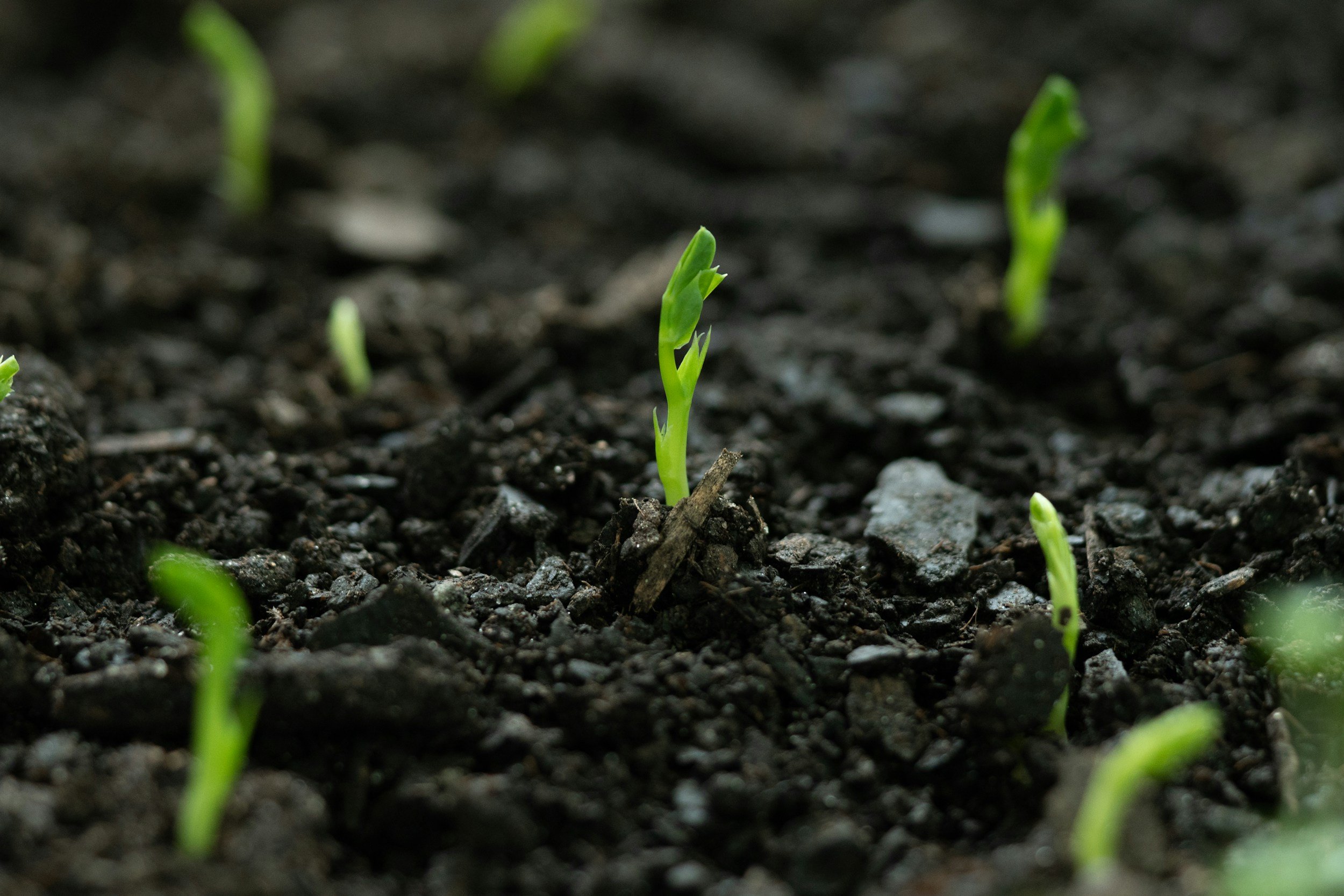
Fertile Topsoil
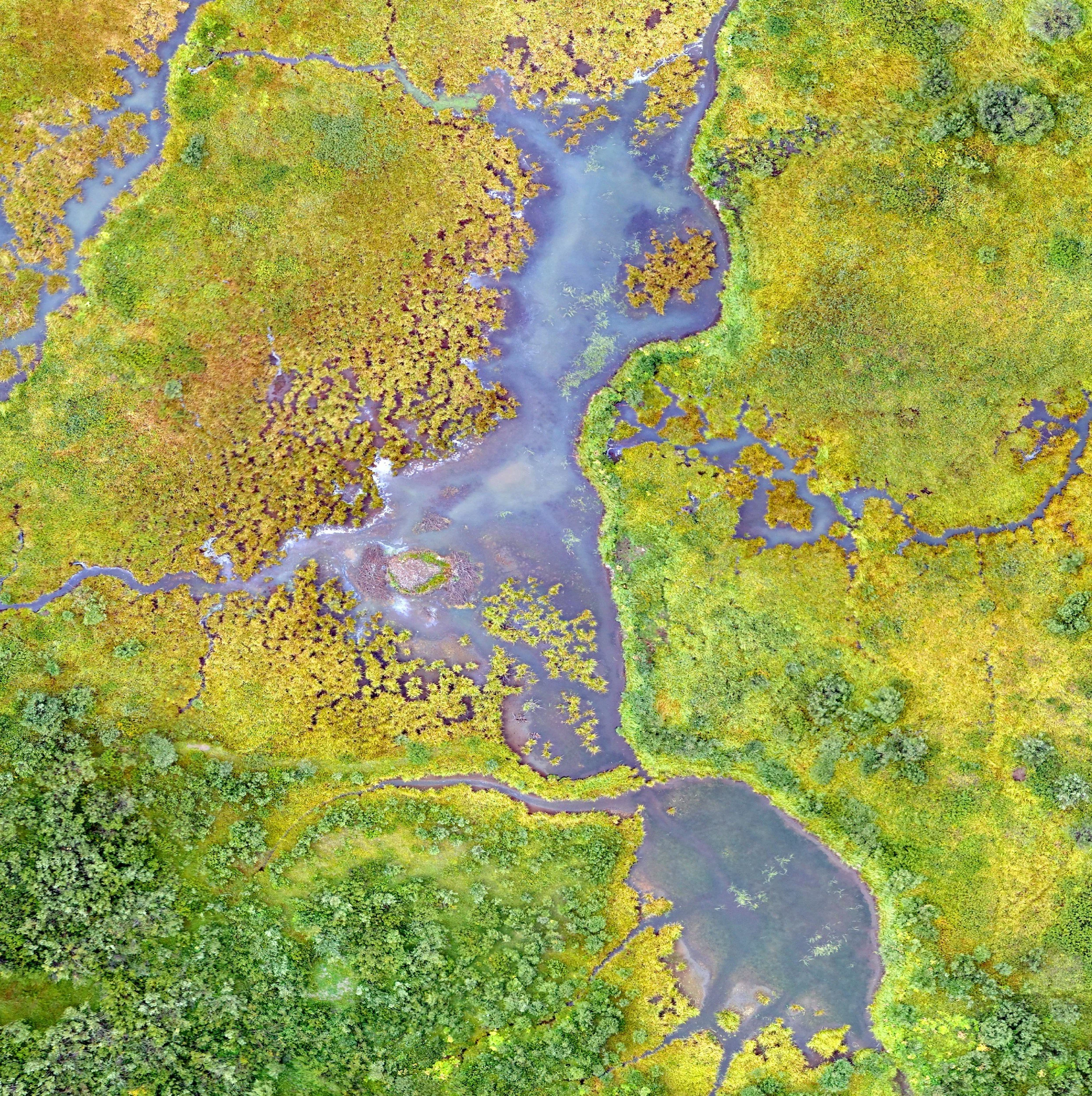
Wetland or Saturated Soil
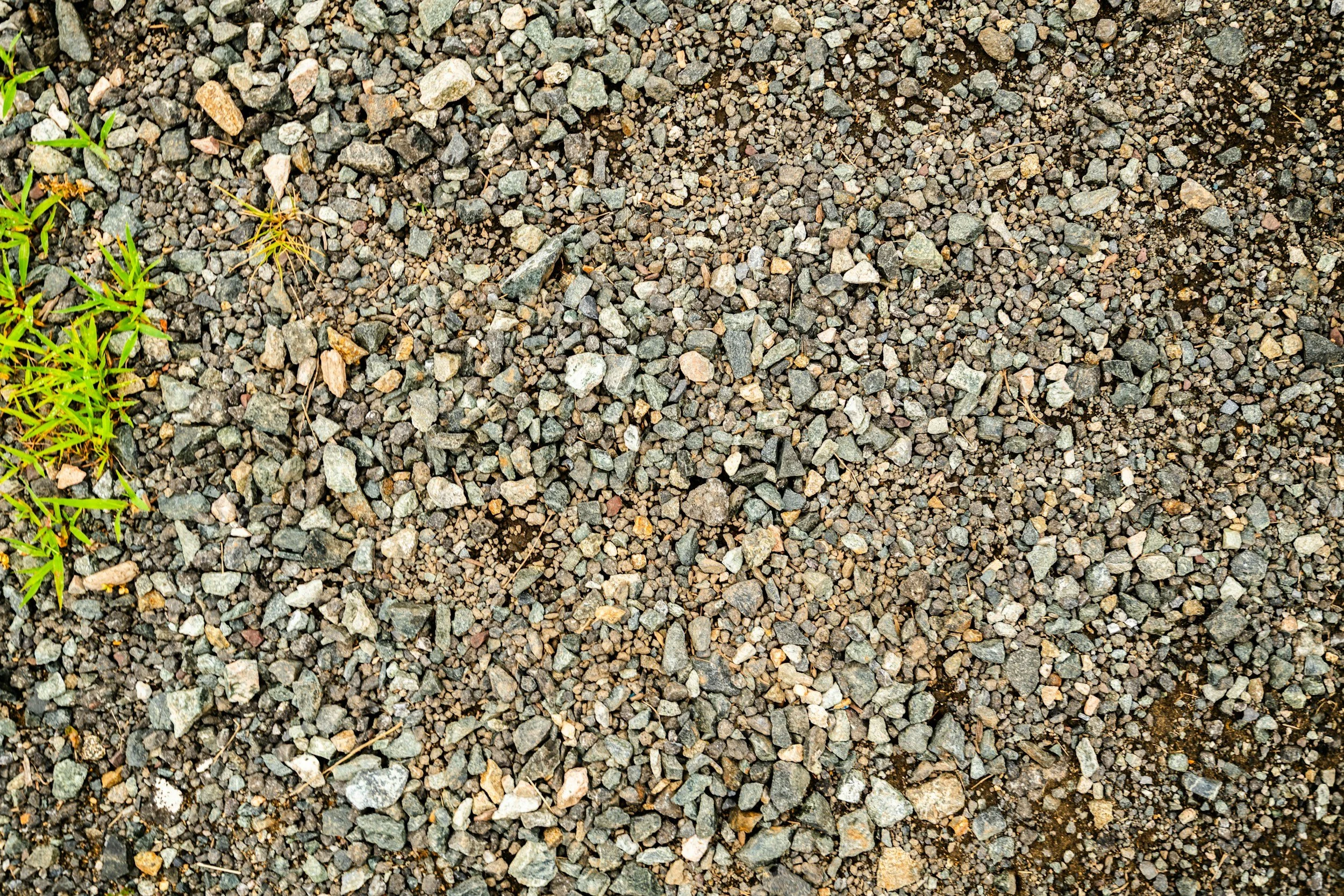
Rocky or Sandy Soil
Natural Terraforming Consultation and Projects
Our Staff Has Millions of Years of Knowledge